Celebrating Talent:
Jean-Marc Mangin
It’s also gratifying to see that many people ‘placed’ by KCI have stayed and thrived in their roles long past the average tenure that we see in the sector. These are people whose loyalty, expertise, and passion for the mission drives long-term impact for their organizations, and the people and communities they serve.
We are celebrating these individuals through this ‘Celebrating Talent’ series of short profiles and interviews. We hope you enjoy reading about these inspiring sector leaders and celebrating their success along with us!
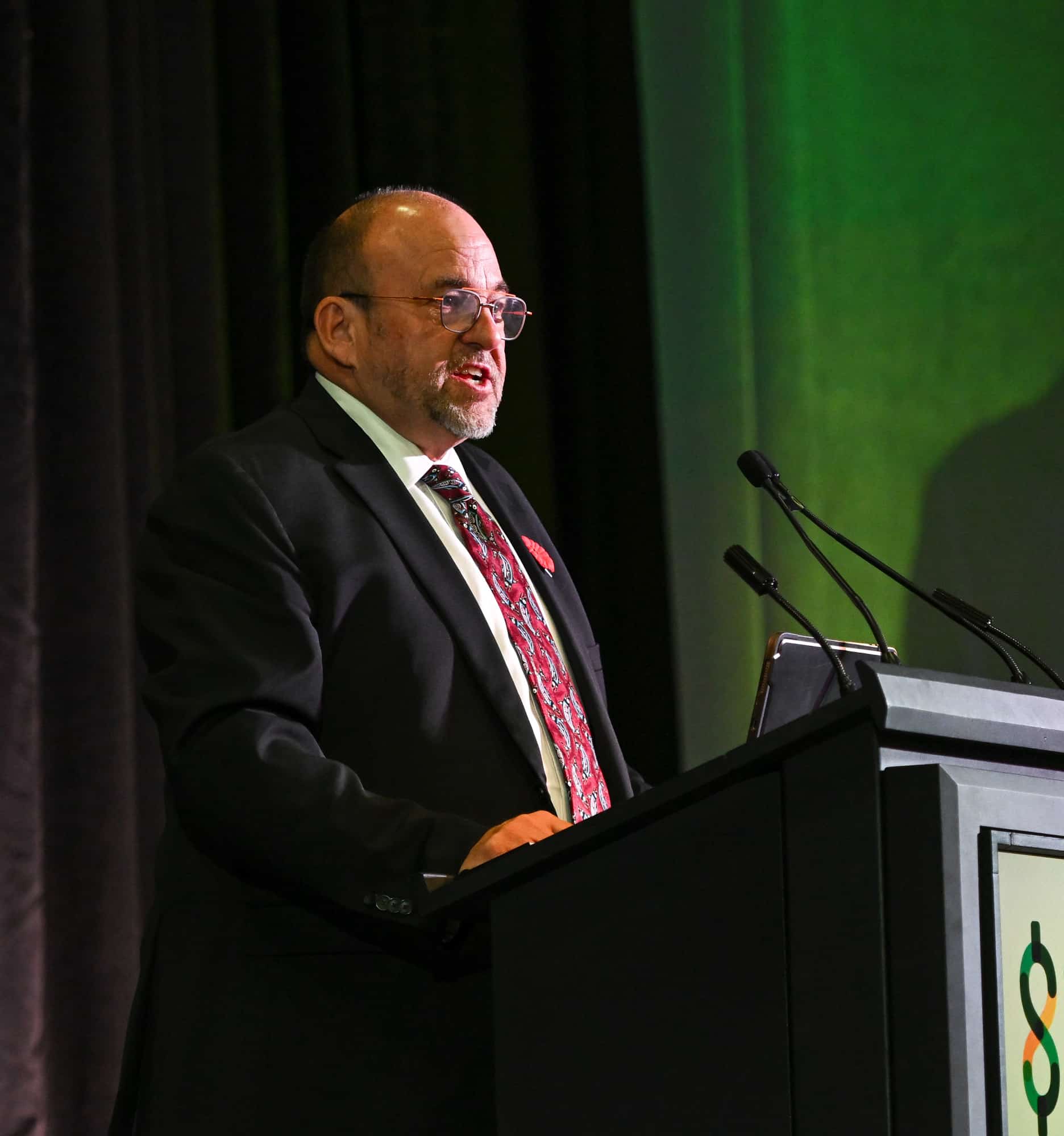
Celebrating Jean-Marc Mangin, President & CEO, Philanthropic Foundations Canada
Reflections on My Experience at PFC
Insights on Joining, Staying, Achievements, and Advice
Why Did You Originally Consider Joining PFC?
I was drawn to PFC because of its potential to accelerate transformational impact by Canadian philanthropic foundations. While I did not predict the rapid unraveling of the global rules-based system that we are living through, the urgency of now was obvious from the multitude of crisis the world was already facing. Through foundations and charities, organized philanthropy offers a key tax-assisted tool to strengthen the public good in a pluralist society.
Prior to my arrival in 2019, PFC was mostly known from its educational and capacity-building work and Hilary Pearson policy contributions. Building on these strengths, I thought that PFC could also enhance philanthropic impact by deepening its contributions to collaboration, original research and policy development. Additionally, PFC’s values aligned with my own, making it a natural fit for my aspirations and interests.
What’s Kept You with PFC for Nearly 7 Years?
The people. I am blessed with a supportive Board and a hard-working team from across the country. The Canadian philanthropic community is very diverse. Each foundation is unique. Regardless of its orientation, culture and priorities, each foundation that I meet is keen to maximize its impact. Collaborating with people who want our country to be better for all its citizens is energizing. It’s been inspiring to witness the real-world impact of the collective work across the PFC network.
What Are You Most Proud of Accomplishing During Your Time There?
The COVID crisis arrived early in my tenure. We used this crisis to accelerate change – in deepening good partnership practices; in pooling resources and in collective learning. It was a hectic period that really stretched PFC and its network. At the same time, PFC was an influential and credible voice in developing evidence-based policy recommendations to the federal government consultations about the disbursement quota (i.e. the minimum % of assets that must be granted every year). This effort required commissioning research and extensive consultations with our members: over 80% of our membership supported our recommendations. The government of the day accepted all of our suggestions – including increasing the DQ from 3.5% to 5%, creating a level playing field between not for profits providing a public benefit and charities and a five-year review scheduled for 2027.
Finally, one of my proudest accomplishments at PFC that may have not been noticed has been PFC investment in Canadian research into philanthropy: creating a full-time research lead at PFC, in working closely with Carleton MPLN program and with Philab and now producing some new evidence-based insights about Canadian philanthropy. The days of using US philanthropic research as proxy for our Canadian story are behind us and this exciting work has only begun.
Other Accomplishments or “Proud Of’s”?
I’m quietly proud of our reconciliation and JEDI (Justice, Equity, Diversity and Inclusion) journey. On purpose, our focus has been about learning and doing, not on virtue signalling. This work is not spectacular but has been truly transformative. As of early 2026, PFC has 8 Indigenous-led, Indigenous serving members and offers an emerging learning space for Indigenous staff across our network.
In parallel, PFC adopted its first DEI policy within months of my arrival. This policy was recently updated by our Board: it is now called JEDI and, in the face of the backlash against DEI witnessed in the US and in some parts of Canadian society, firmly sits at the core of what is PFC. This policy is inseparable from our values of trust, sustainability and justice. Our JEDI work is very practical in supporting learning, inclusion and pluralism.
What’s Next for PFC? What Do You Want People to Know About the Work That PFC Does?
Canada is at a historical inflection point and so is philanthropy and PFC. Our sovereignty, democracy and economic prosperity are all in play in ways that we have not known since Canada came together in the aftermath of the US civil war. I strongly believe that we can find solutions that are truly inclusive and forward looking. Canadian philanthropy has key contributions to make through its grant-making, its financial investments and co-creating solutions with communities and across the country. This will require from philanthropy greater risk taking in supporting innovation, in collaborating more often and more effectively and in creating spaces for our partners in shaping programs and policies. It is no accident that the theme of our national conference in Winnipeg is reciprocity. Change does not happen by accident or logical log frames. Change is neither random nor under our control. It happens through people, authentic relationships and trust working from what the world is to what the world can be. So, you can expect from PFC more exciting and relevant convening, more policy and practice innovations and greater support to collaboration. Digitization and AI cannot replace human connections but can facilitate this work in creating lasting positive change.
One Piece of Career Advice You’d Give to Others
Embrace failure and continuous learning and don’t be afraid to step outside your comfort zone. Throughout my career, I have willingly put myself in situations that really stretched me — one of the largest droughts ever in Southern Africa, in the Balkans war, in the Rwandan genocide, in the 2004 tsunami, in the climate negotiations at COP, in leading a merger between large and historically important international NGOs, in helping researchers and universities strengthening their relevance to communities. Often – but fortunately not always – these efforts fell utterly short of their aspirations. I have witnessed humanity at its very worst but also at its very best.
You need to be clear eyed about the realities of your context but also identify the cracks that let the light in and do what you can for genuine hope to grow. Actions always speak louder than words. I did not plan my career that started in 1986 and could not have imagined the twists and discoveries of my journey of the last 40 years. I am glad that I have embraced opportunities that came my way -notably in challenging circumstances — and that I have always been blessed from being surrounded and supported by amazing people in trying to bend the arc of our moral universe towards greater justice.